
How to Plan Meals Using Pantry Staples for Easy Cooking
Planning meals using pantry staples is a practical way to simplify your cooking routine, save money, and reduce food waste. Whether you have a well-stocked pantry or just a few basics, you can create delicious, nutritious dishes without making extra trips to the grocery store. In this post, we’ll explore how to identify your pantry essentials, organize your space, and develop versatile meal plans that keep your week running smoothly.
Why Plan Meals Around Pantry Staples?
Pantry staples are non-perishable or long-lasting food items that can serve as the foundation for countless recipes. Planning meals based on what you already have helps you:
– Save time on shopping and meal prep
– Cut down on food waste by using ingredients before they expire
– Manage your grocery budget more effectively
– Feel confident cooking without stressing over missing ingredients
By focusing on pantry staples, you also promote creativity in the kitchen, mixing and matching items to create exciting meals from simple components.
Common Pantry Staples to Keep On Hand
Having a well-stocked pantry means you can whip up meals quickly. Some versatile staples include:
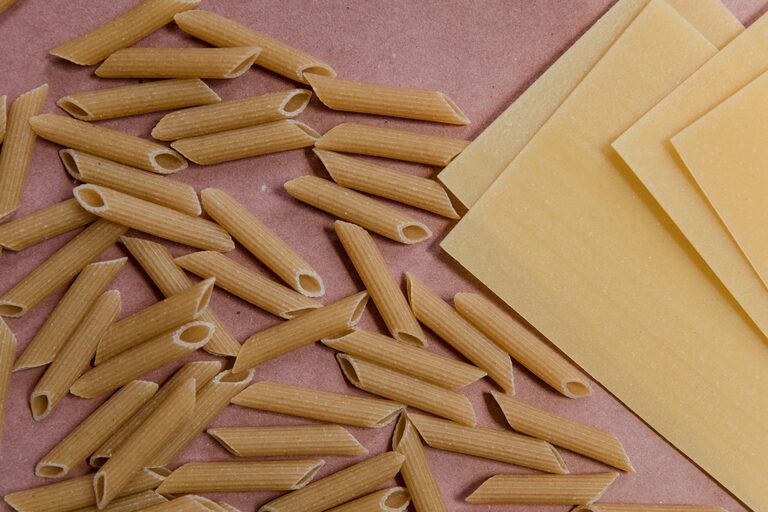
– Grains and Pasta: Rice, quinoa, oats, spaghetti, macaroni
– Canned Goods: Beans, tomatoes, vegetables, tuna, coconut milk
– Baking Essentials: Flour, sugar, baking powder, yeast
– Oils and Vinegars: Olive oil, vegetable oil, apple cider vinegar, balsamic vinegar
– Herbs and Spices: Salt, pepper, garlic powder, paprika, dried oregano, chili flakes
– Broth and Sauces: Chicken or vegetable broth, soy sauce, mustard, tomato paste
– Nuts and Seeds: Almonds, peanuts, chia seeds
Step-by-Step Guide to Planning Meals with Pantry Staples
1. Take Inventory of Your Pantry
Start by checking what you already have. Organize your pantry if needed, grouping items by type. Make a list of your staples, noting expiration dates to prioritize what to use first.
2. Consider Your Available Fresh Ingredients
Pantry staples often work well with fresh produce, dairy, or proteins you have on hand. Look in your fridge and freezer to see what extra ingredients you can add to build balanced meals.
3. Choose Recipes Based on Staples
Search for recipes where your pantry items are key ingredients. For example, canned tomatoes and pasta can become a quick marinara sauce; rice and canned beans can be the base for a nutritious bowl.
4. Plan Versatile Meals
Aim for flexible recipes that can adapt to whatever you have. Soups, stir-fries, and casseroles often allow for substitutions and variations, making it easier to use what’s in your pantry.
5. Make a Weekly Meal Plan
Write down your meals for the week, mixing pantry-based meals with any fresh ingredients you need to use soon. This reduces last-minute decisions and helps you shop only for what’s truly needed.
Easy Meal Ideas Using Pantry Staples
To get you started, here are some simple meal ideas you can make from commonly stocked pantry items:
One-Pot Pasta with Tomato Sauce
– Cook pasta according to package instructions.
– In a separate pot, heat canned tomatoes with garlic powder, olive oil, and dried herbs.
– Combine pasta and sauce, top with grated cheese if available.
Rice and Bean Bowl
– Rinse and cook rice.
– Heat canned beans with cumin and chili flakes.
– Serve beans over rice, adding salsa, avocado, or a fried egg if you have fresh ingredients.
Chickpea Curry
– Sauté onions (fresh or dried) in oil, add curry powder.
– Add canned chickpeas and coconut milk; simmer until thickened.
– Serve with rice or bread.
Oatmeal with Nut Butter and Seeds
– Cook oats with water or milk.
– Stir in nut butter and sprinkle with chia seeds or nuts.
– Add a drizzle of honey or fruit preserves for sweetness.
Tips to Maximize Your Pantry Meal Planning
– Rotate Your Stock: Practice “first in, first out” so older items are used before new ones.
– Use Multi-Use Ingredients: Buy staples that work in many recipes to keep your options open.
– Prepare Mixes Ahead: Blend herbs and spices for quick seasoning.
– Freeze Extras: Store leftovers or bulk-cooked meals in the freezer for busy days.
– Keep a Running List: Track the staples you frequently use and update your pantry as needed.
Final Thoughts
Using pantry staples to plan meals is a smart way to build flavorful, nutritious dishes with ease. It minimizes stress, cuts costs, and helps make the most of your grocery shopping. By taking inventory, choosing flexible recipes, and organizing your kitchen for success, you’ll enjoy homemade meals without the hassle. Start with what you have today and watch your cooking confidence—and pantry creativity—grow!
Happy cooking!
